The second bull — a long chase, one quartering shot
Tuesday, 4 September 2012
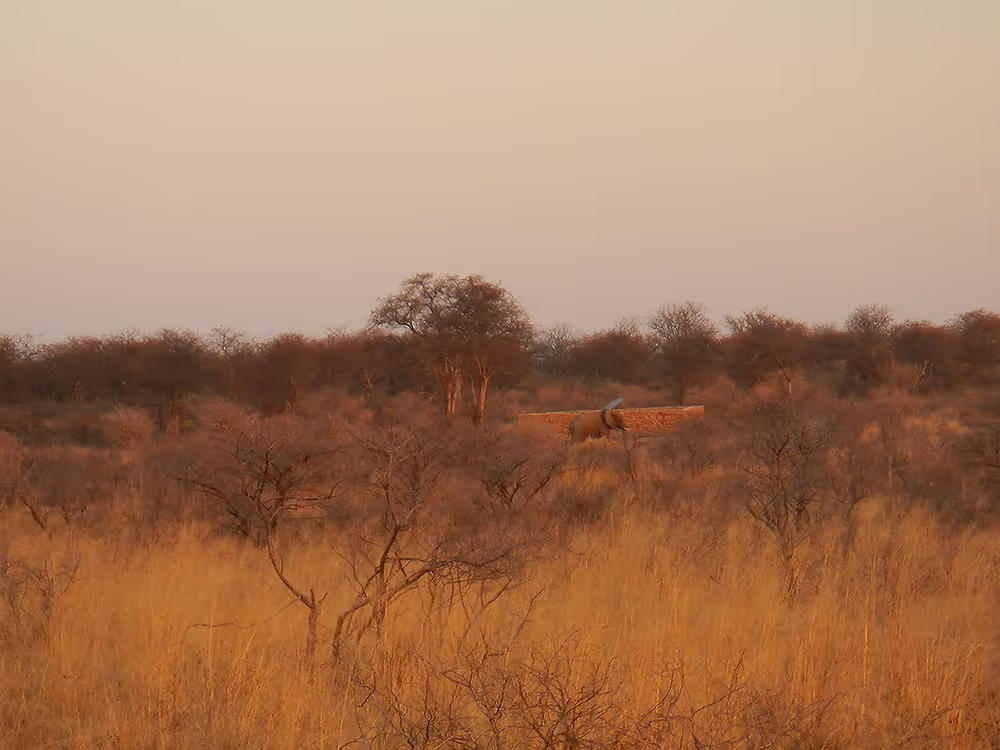
Stefan's tip last night says the new pan north of Tsumkwe has seen heavy elephant traffic. It's empty when we arrive. Then a big old bull two hundred meters off the dirt road — head round, shoulder high, both tusks muddy. Felix runs after him on foot. Robert grabs the rifle and runs after Felix.
Stefan had recommended, the night before, a new pan north of Tsumkwe — a lot of elephant activity, last two, three days. We arrived. No sign at all.
On the way to another pan, a big old bull two hundred meters off the dirt road. He heard the cruiser and stepped behind a bush. I could see only his big round head and big body. His shoulder sat higher than his rump. Felix got out and walked. Robert ran after him with the rifle.
They came back in fifteen minutes. The bull had a chipped left tusk; they had not seen the right. Robert was impressed with the bull’s size and track. We drove to the water hole — only young bull and cow tracks.
Robert called it: we had to look at this old bull properly. At half past seven we started. The bull walked downwind for five point two kilometers before turning. I thought we would never catch him — the wind was on our back the whole time. But there he was, under a tree at the edge of a clearing next to thick bush. We stalked to fifty meters.
He stood with his eyes closed, head a little left. His tusks were muddy. Not impressive. Too easy. I told Felix no. Felix said the tusks were bigger than the first bull’s. We readied to move out — the wind swirled and he caught our scent. He stared three or four minutes. Then he walked fully broadside to our left and showed his right tusk: three feet past the lip, thick. Over seventy pounds. Now I was impressed.
He walked slowly from the burnt opening toward thick bush two hundred meters off. We circled downwind to meet him on the other side. As we went in, thirty blue wildebeest exploded out of the bush. The old bull was not yet aware of us but he knew something was wrong. He angled for another thicket half a kilometer away through the burnt ground.
Felix led us in zigzag, keeping bushes between us and the bull. Eight point nine kilometers from the start. We moved only when the bull moved.
In the thicket one of the trackers walked fast and noisy. The bull heard, and ran. Now he knew. Twenty past eleven; we rested thirty minutes to let him settle.
Three and a half hours of cat-walking. The bull made several circles to check his own line and never stopped to rest. At sixteen point seven kilometers we heard branches break. We stalked in and saw cows and calves — then the bull, broadside, head to our right, three cows alongside him. He stood out: taller than any of them by half a meter.
Thirty to forty cows and calves in the area. The best look I could get was forty meters, and we were not certain it was him; his body and tusks were blocked by the two cows beside him.
Felix whispered into my ear. My earplugs were in. I took one out. The wind was turning, he said; the cows to our far right would wind us; I had to shoot. The wind turned. Felix expected the bull to turn his head toward us — a clear frontal brain. Instead he made a sharp left U-turn and ran with the cows.
Three or four quick steps left. I found a small opening. Quartering-away shot — high heart, lung. No time to adjust for heart only. Shoot now or never. After the shot Felix asked how I felt. Good, I said.
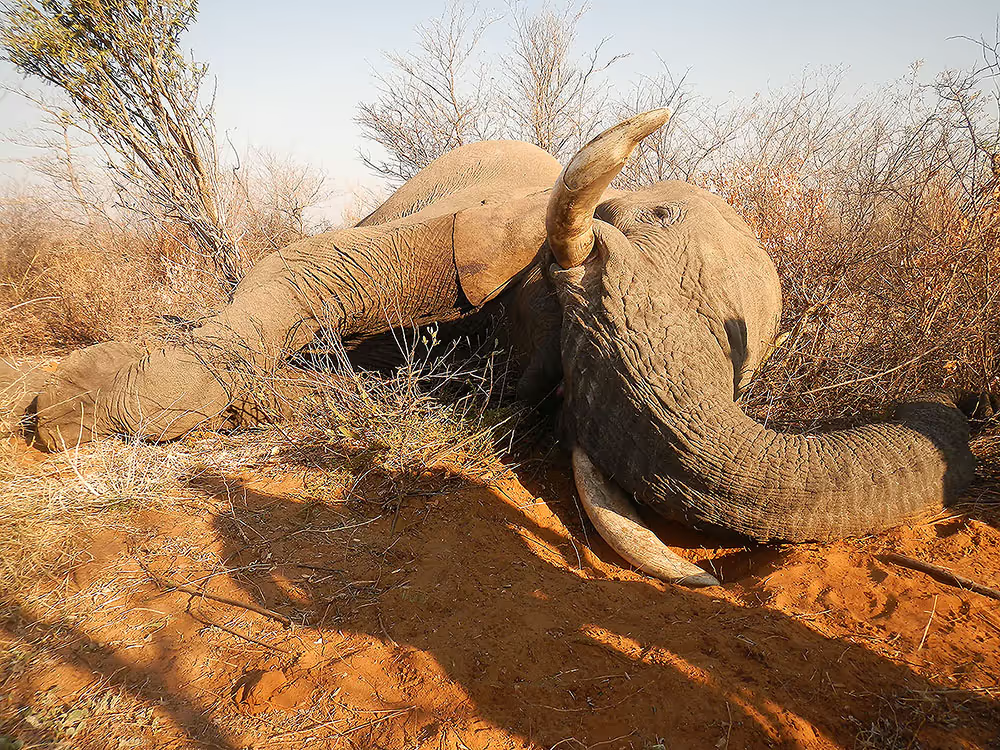
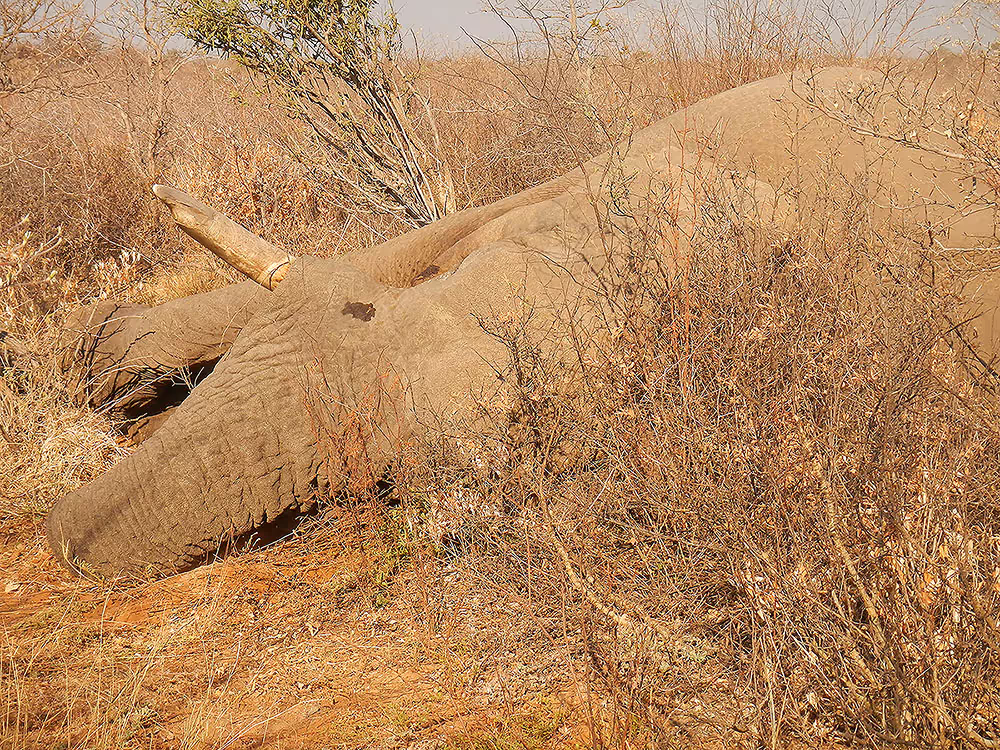
Elephants ran everywhere. We shouted to keep them from charging. Fifteen minutes before we picked up his line — cow tracks had covered his. Ten minutes and the trackers found his blood. He had carried two hundred meters with the frightened cows, then stopped. The blood was swaying right to left — fatal. At half past four we saw him standing in a semi-open a hundred meters off with a younger bull. He was done. I finished him.
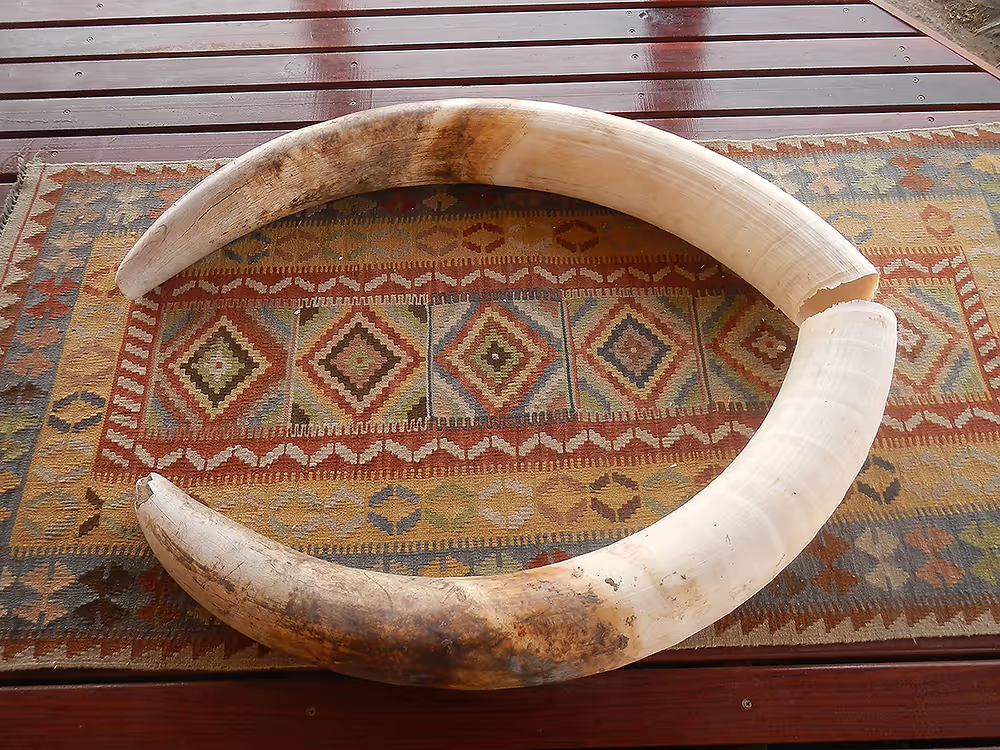
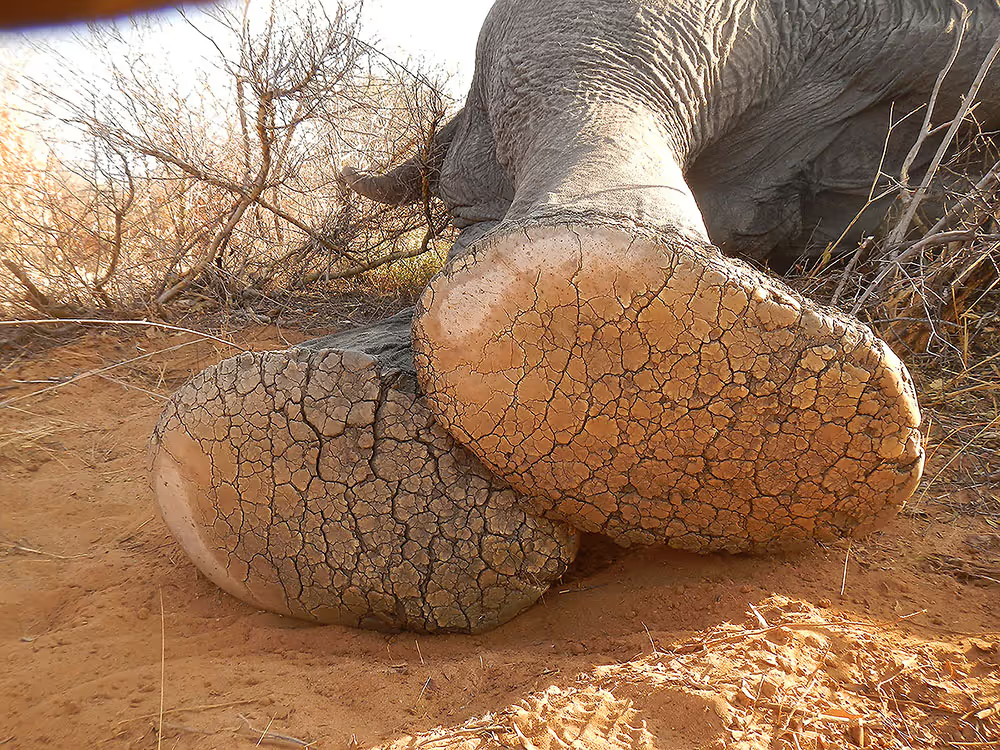
Very old. Tail hair white. Round head. Feet deeply cracked, worn. A road- side elephant that became a tough and great hunt. Twenty-four point two kilometers for the day. Fifty-two kilometers over two days. A hundred and fifteen kilometers over five.
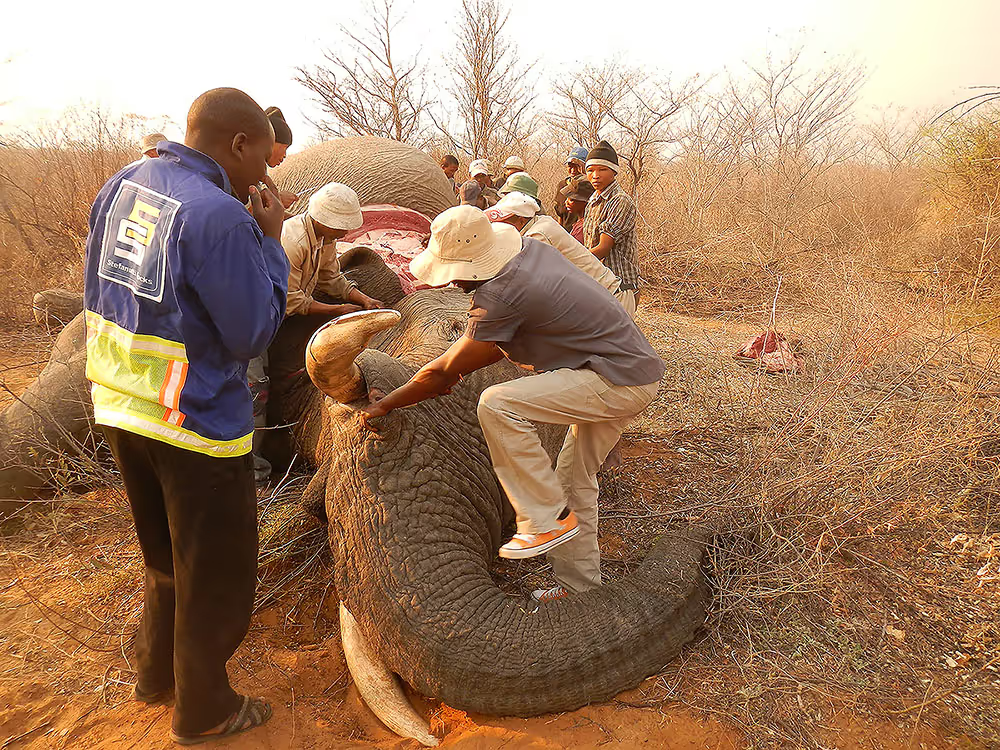
Two weeks later Felix weighed the tusks. Right sixty-five point five. Left fifty-nine point four. Less than the first bull’s — even though thirty-seven and thirty-three inches long from the lip, and nineteen and eighteen inches around. Ivory does not lie about its density.