Between Botswana and the flood
Tuesday, 22 April 2014
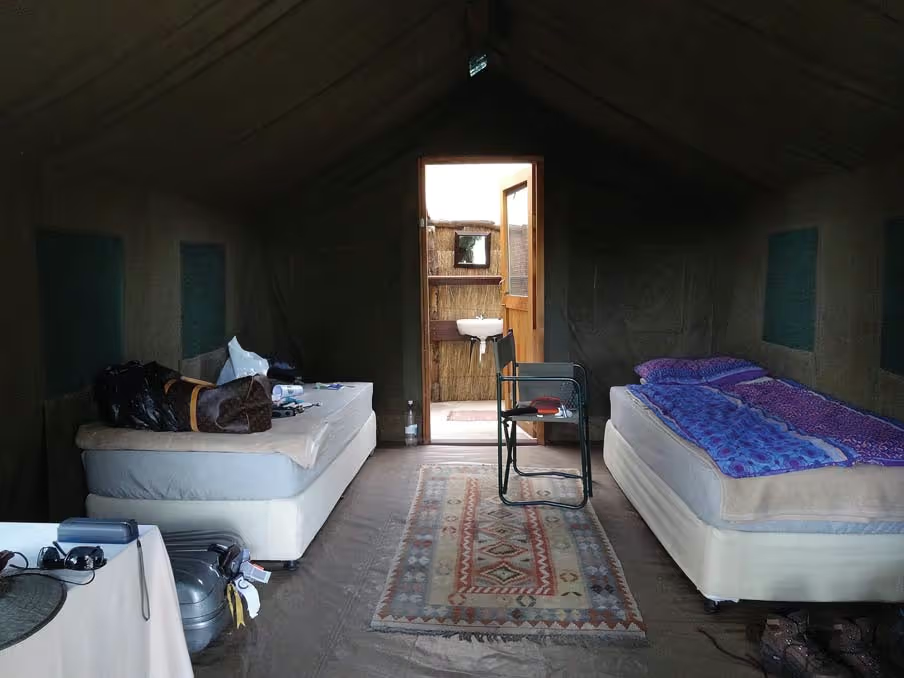
First light at 05:35. Camelthorn's camp warm and green from a late rain. The first tracks came five minutes into the drive — and not one of them was the one we'd come for.
Last night the temperature was fourteen to seventeen Celsius. First light came around five-thirty-five but we did not leave camp until half past seven — it took me a while to unpack and organize my equipment, and there may have been a bit of champagne hangover from the drive in the day before.
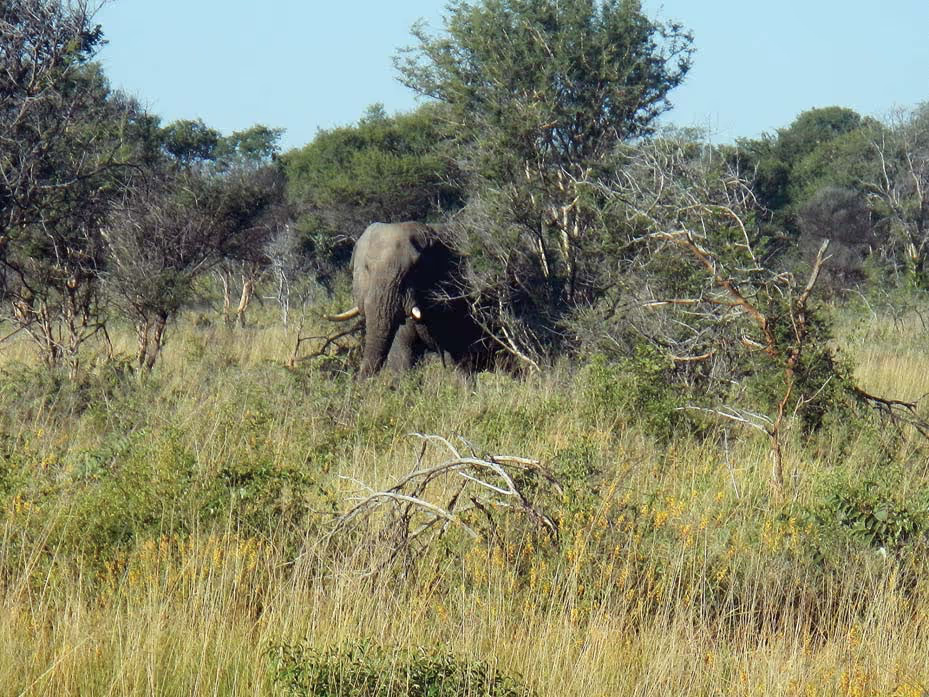
The bush was very thick and very green, which made it difficult to spot game. Five minutes into the gravel road we saw a big elephant track — but it was a big young bull, from the night before. A few minutes later we picked up an old-bull track, and then him, at about two hundred meters: a right tusk around fifty pounds, the left broken at the tip.
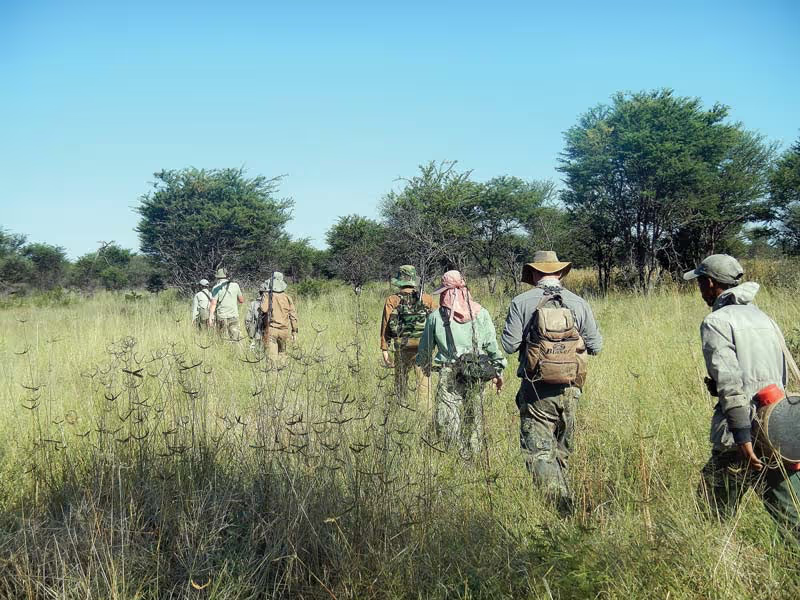
We drove east toward the Botswana border, then north along the fence. A few more tracks, none worth following. By nine-ten we were walking toward a large pan we had been checking on for two seasons. Felix said Mr. Kai-Uwe Denker had once seen a very big tusker here. The whole way in, there was water everywhere. An old kudu bull with his cows spooked the moment he caught us; fifty-two inches, and gone at a run. At the water hole the elephant sign was several days old.
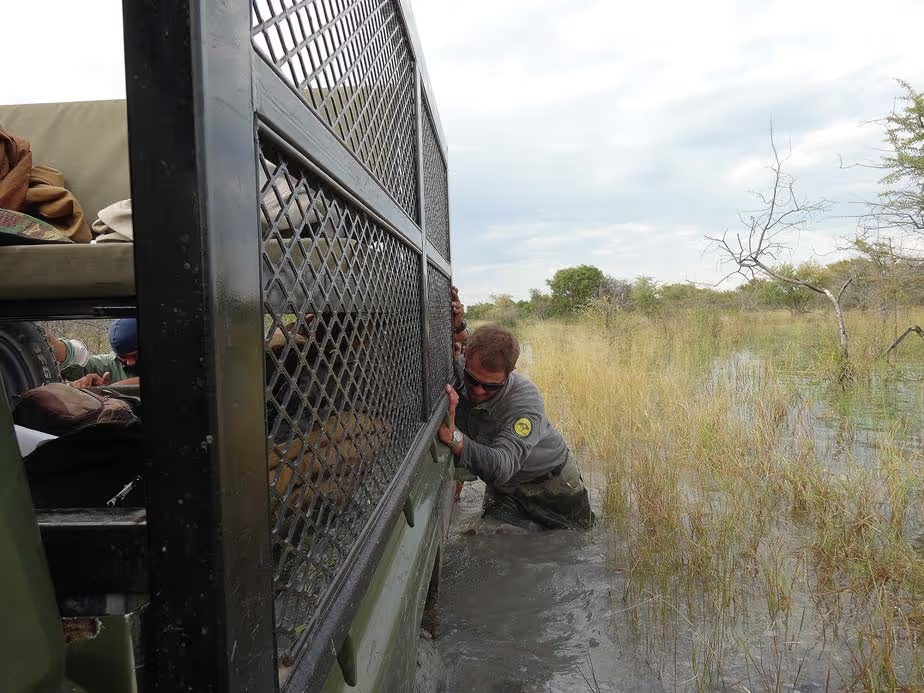
In the afternoon we drove south, where local Bushmen had seen a group of elephant bulls. The whole area was flooded. We got stuck five times on the dirt road and had to winch our way out each time. It was impossible to move through the water and clay. By five-thirty we turned back — any further and we would have had to spend the night out.
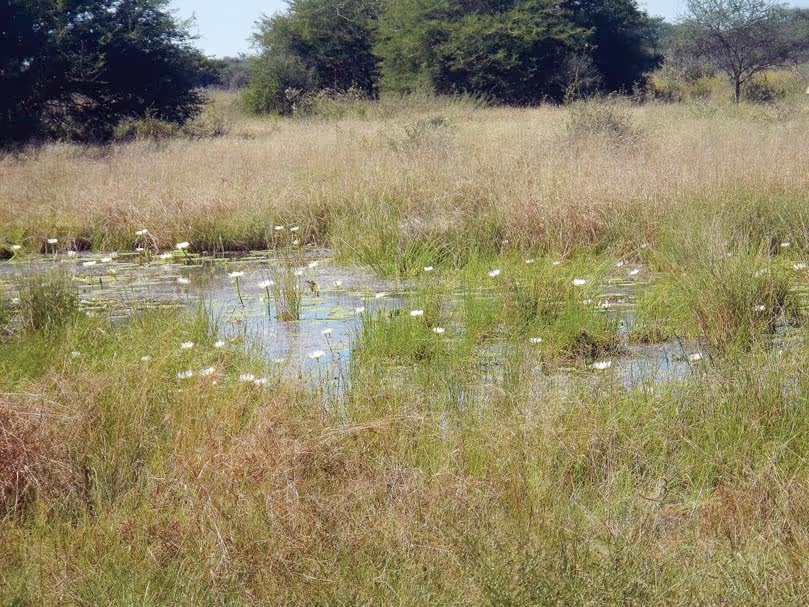
This safari looked to be a very tough hunt: we would lose the whole southwest of the concession to the flooding, and that southern block is Felix’s favorite country.