Colgate — a seventy-five in the white sand
Saturday, 10 May 2014
Five in the morning, an hour earlier than usual, to reach the far west pan at first light. Two fresh spoors near each other. The trackers are walking faster every day; my teeth, grinding the air, keep me with them. Four kilometers of soft white sand and a bull on a knoll, five hundred meters out.
We left at five — half an hour earlier than usual. Felix wanted first light on the far west windmill pan, and that was an hour’s drive. Five minutes into the area the trackers found two sets of elephant-bull spoor near each other. We chose the second after a careful read.
One and a half kilometers on, his sleeping spot. The trackers were walking faster every day. Faster than they had to, I thought, but I could not say so. The sand there is whiter than the sand to the east — whiter, and softer. Easy to read. Hard to walk through. It sucks at the shoe and you use more of yourself to cover the same ground.
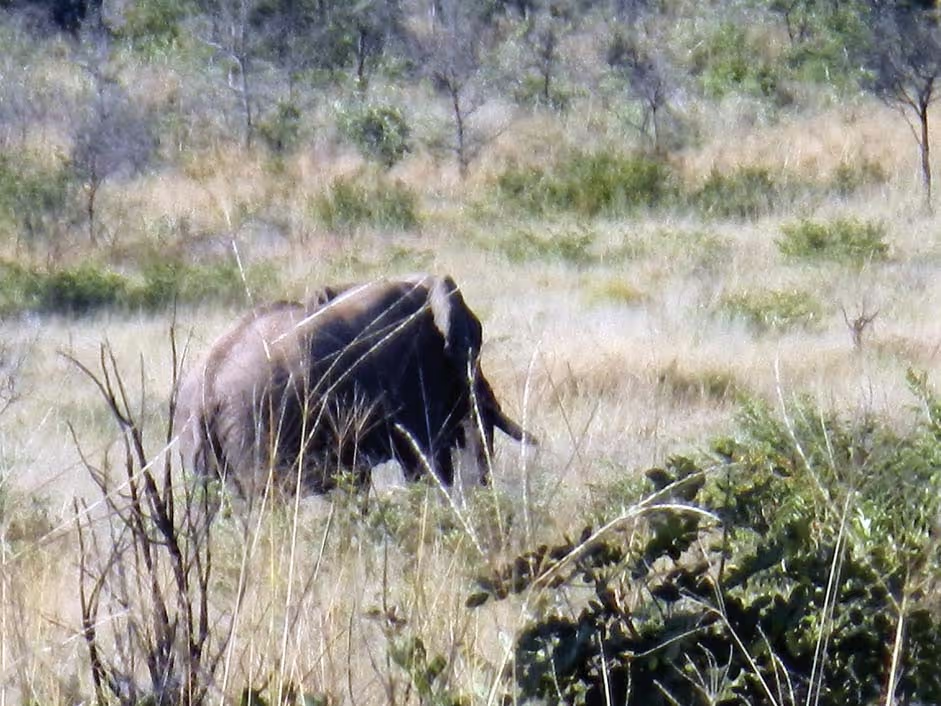
The country here is low mountains and small knolls — big-grown teak and acacia, old country. We had a first glimpse of the bull after three point eight-five kilometers — five hundred meters out, on top of a knoll. Old, impressive pair.
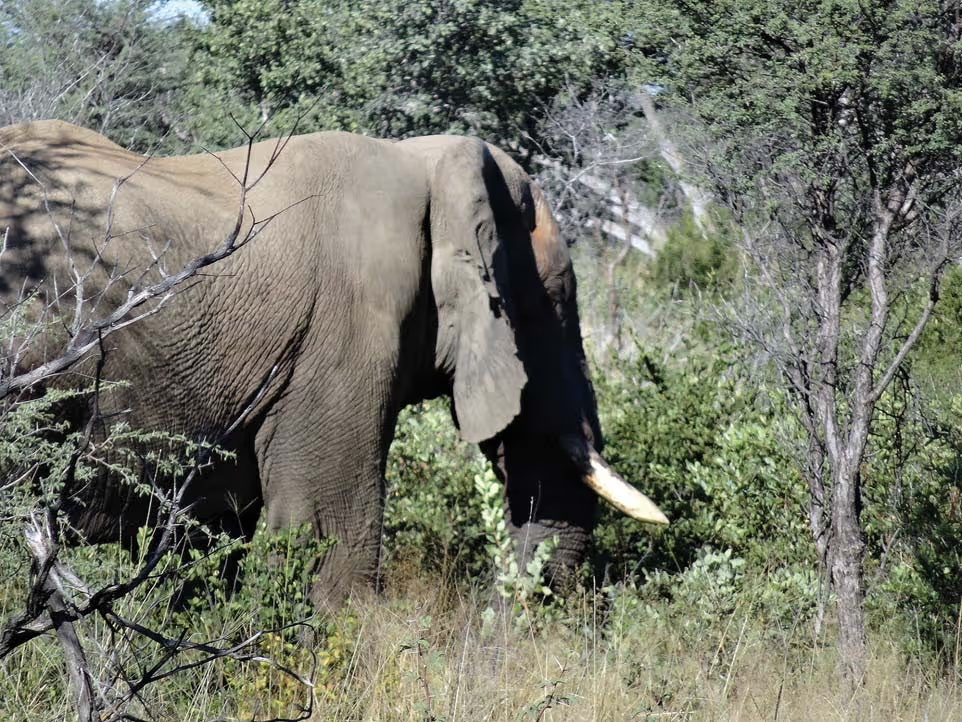
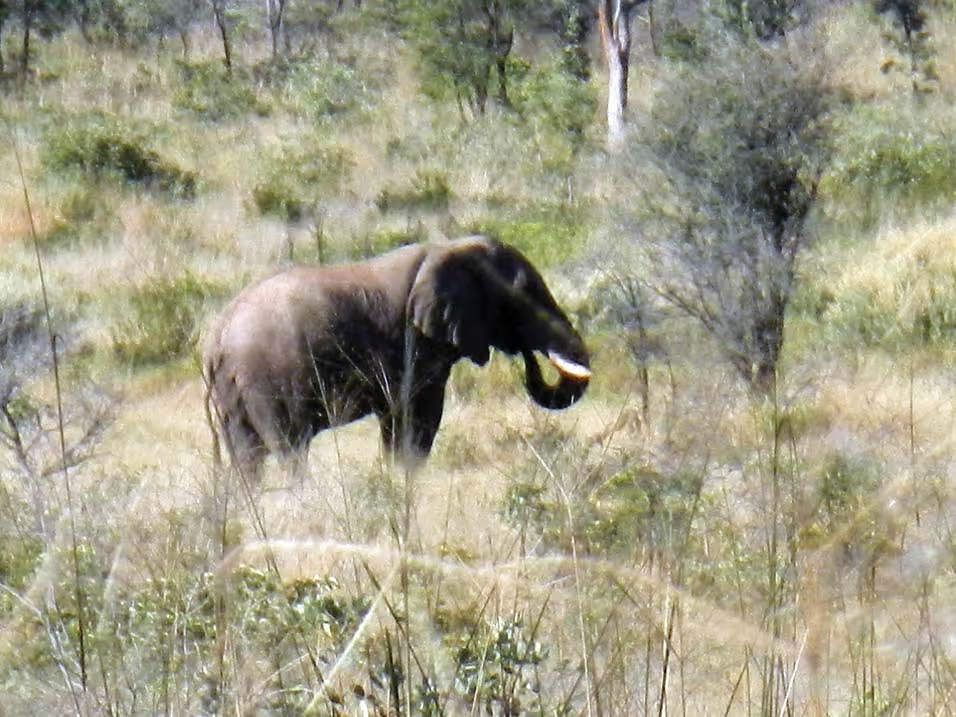
Closing, we moved only when the bull moved, fed only when the bull fed. When he gave us a clean look the body turned out to be medium — not the build his first impression had suggested. Left tusk four to four and a half feet, one foot longer than the right. Another seventy-five pounder.
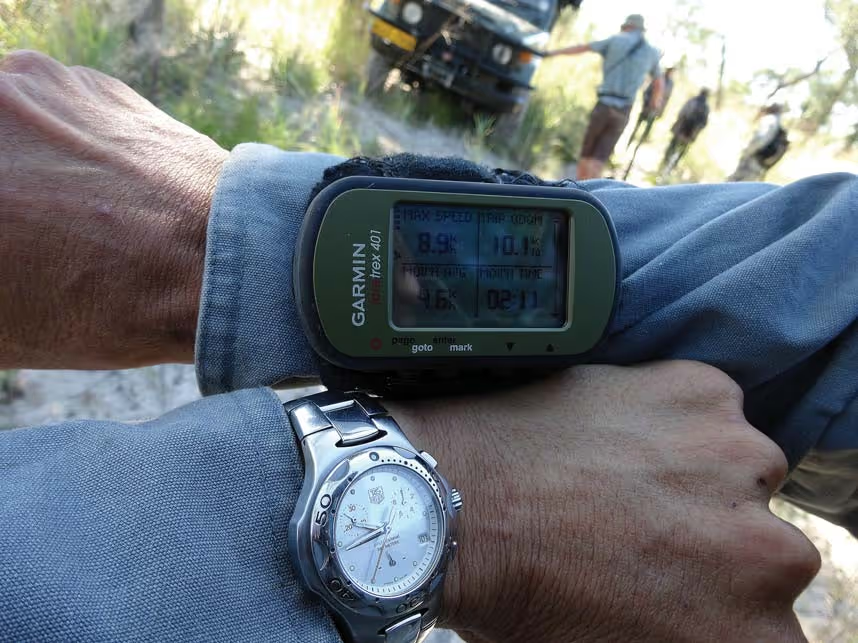
Half an hour with him. Ten point one kilometers on foot total. Back at the cruiser the trackers picked up another spoor and we followed fifty meters before the print gave it up — a young bull. We let that one go.
After lunch we walked a well-used elephant road in search of another pan. Three point one kilometers to it. Tracks of everything. A very old bull had come to drink last night. Too late to start after him today. Ten past four back at the cruiser.