Ninety-plus pounds, and the light fading
Monday, 19 May 2014
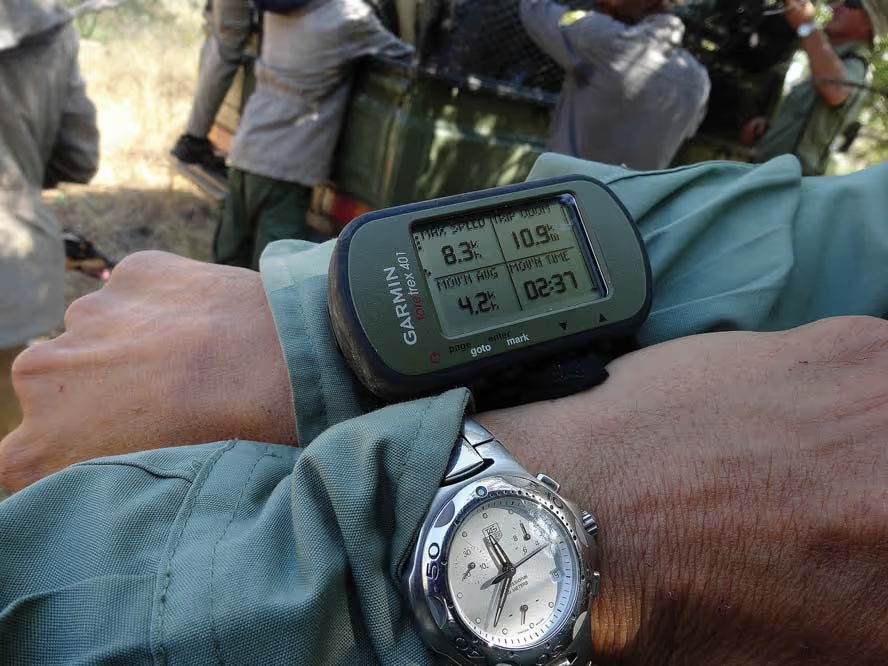
A smart old bull uses a herd of cows to hide his line. We give it up at ten point nine kilometers, outsmarted. Then a bushman recommends a pan forty-five minutes on foot from the gravel — "Jackpot Pan," Felix names it for the bull tracks laid all over it. On the way out, in the last light, we meet a bull too big to photograph.
Seventeen degrees overnight; by six-thirty the wind was up and the temperature down to ten. At six-forty, a big bull spoor on the gravel to Hereroland. The trackers called it the same bull we had followed on day nine when he was lost in cow sign. He walked the gravel a kilometer, turned north, looped, and came back headed south. Felix drove two kilometers further on the road to check if he had doubled back. Instead — another big bull spoor. We took the first one. Bigger print, rougher sole marks.
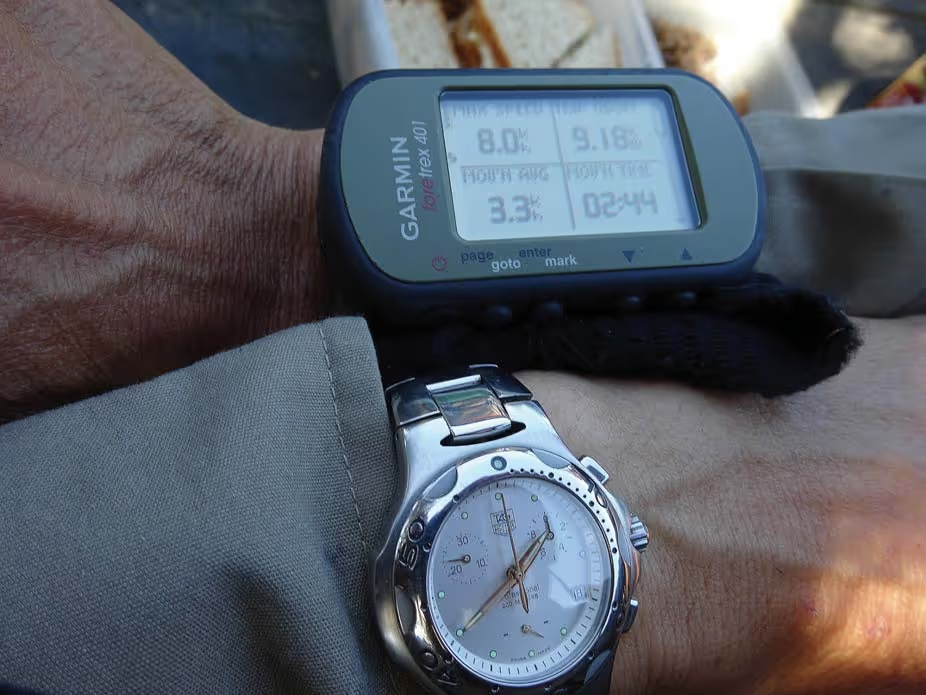
Nine hundred and twenty meters in, his track mixed with cows again. The trackers had him back in ten minutes. Mixed open country softened into thicker stuff. He drank at a pan at four kilometers. We lost him and found him, lost him and found him.
At ten-thirty, six point six kilometers in, Felix told me the trackers had been tracking only cow prints for the last kilometer — our bull was walking ahead of a herd of cows, hiding his line under theirs. We followed the cows hoping to see his print break free. It did not. He used those cows as eyes, as ears, and as a cover, and we stopped at ten point nine kilometers, outsmarted.
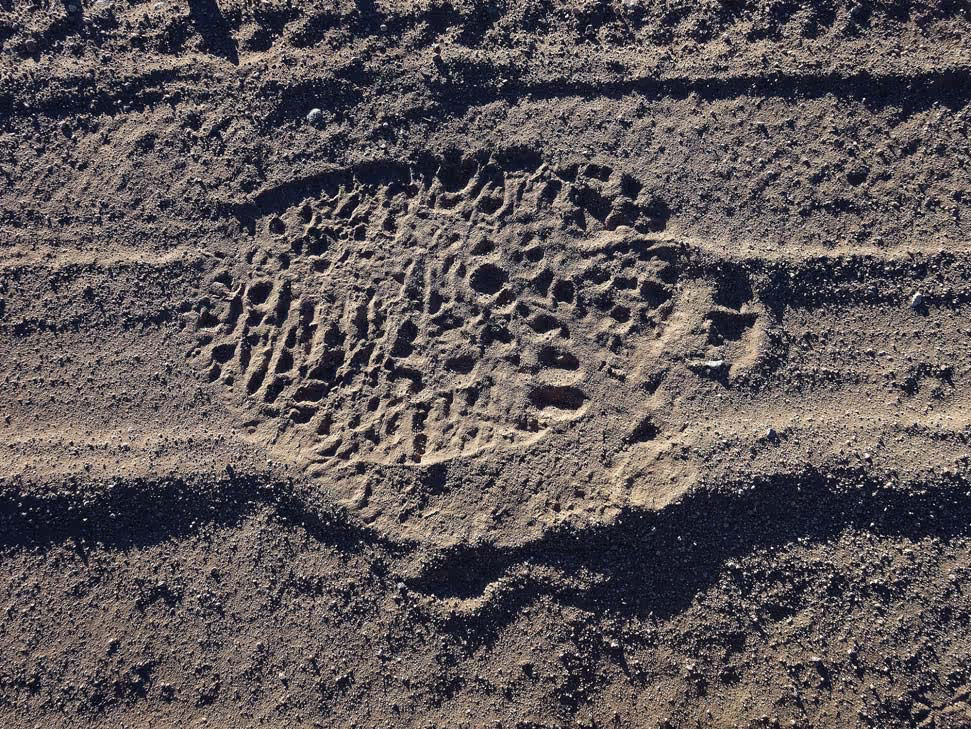
After lunch we walked one point one kilometers to a pan between the gravel and the fence that a local bushman had recommended — he had seen a big tusker there twice in the past ten days. A big night-old print was waiting for us. Too late at ten to three to start.
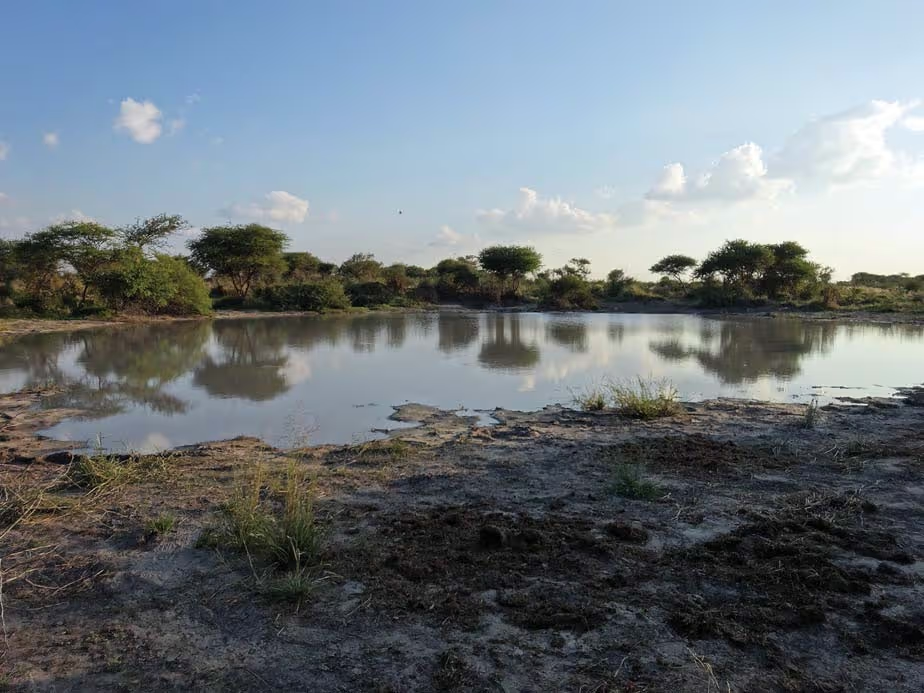
We drove to another bushman village. Another man offered to walk us to another pan. Three and a half kilometers in. The bushman told us this one dries in November. Felix named it “Jackpot Pan” — big bull tracks all over the ground.
On the road back to the village, two bulls on foot. Both fifty-pound class. They crossed our scent-line and turned rapidly away.
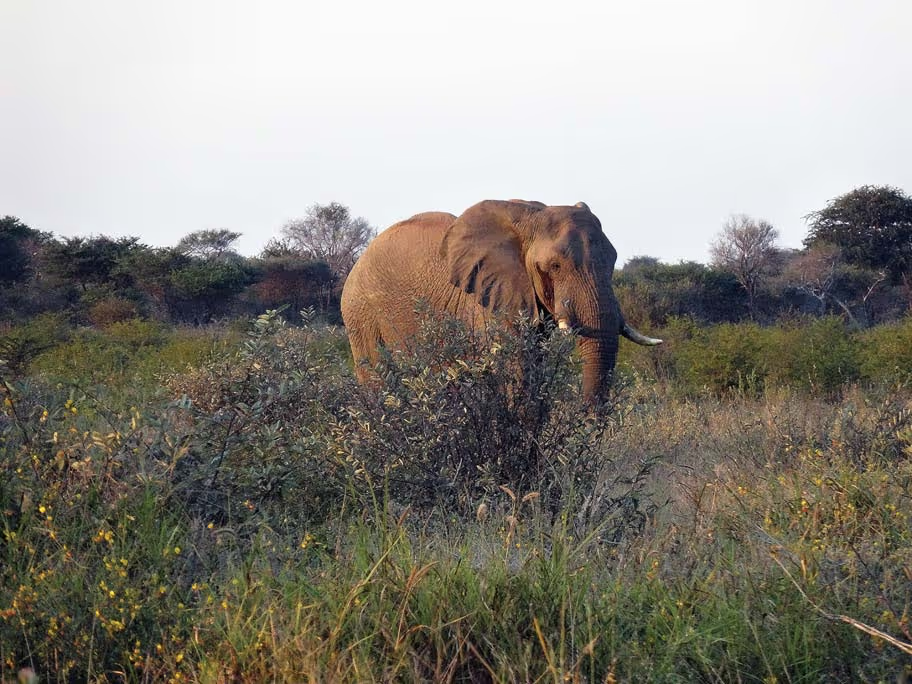
Driving home on the dirt road, Hilifa knocked on the cab roof and pointed. A big bull, a hundred meters off the road ahead, walking from the bush into a clearing before the road. Felix stopped the cruiser, jumped out, signaled me. Very big bull. Very big tusks. Hurry up. Leave everything.
Quarter past five. I left everything — did not even take binoculars. We went. The bull had already turned back into the bush. We ran a parallel thirty meters, Felix spotted him, handed me his glass. Right tusk broken in half, two feet remaining, very thick. Left tusk at least four feet, thick to the tip.
He walked toward the road. The light was fading fast. We hurried back to the cruiser. He came out, walked to the edge of the clearing, stopped — five meters from us. Too dark for camera, for video. Binoculars only. He stood five full minutes, mosquitoes biting all of us, nobody breathing.
Felix and I agreed, for once, on the weight: ninety-plus pounds. An easy road-kill. We let him walk. We would come back at first light and find his line and make a proper hunt of it.
Twenty-one point four kilometers on foot for the day. The best bull of the safari, and we had chosen to let him walk for the dignity of a proper hunt.