The wounded bull
Friday, 16 May 2014
Six degrees at first light and steam rising off fresh dung on the gravel road. We track. Three kilometers in, the bull turns out to be carrying a softball-sized abscess at the base of his trunk — a poacher's AK-47, Felix thinks, a month or two old. Green pus draining. A bull in pain, aggressive, and a danger to every bushman village within his range.
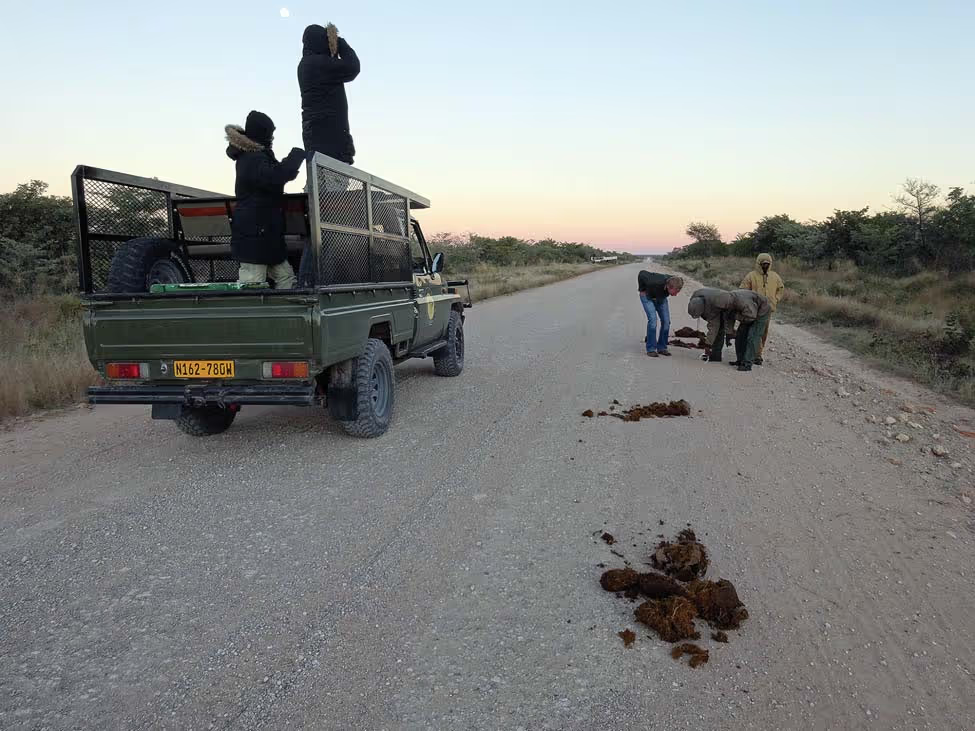
At five-fifty on the main gravel road to Tsumkwe, three elephant-bull spoors — young bulls. A hundred meters further, a big old-bull spoor and very fresh dung. Six degrees Celsius. Steam rising off the pile. He was close.
We hid the cruiser in the bush and went. In the beginning he was walking north, feeding in thick, close enough that we had to cat-walk. Eighty meters from the start, another pile — steaming. A hundred meters more and Robert saw his back above the brush at a hundred and fifty out. And then the bull was gone — he had stopped feeding and walked.
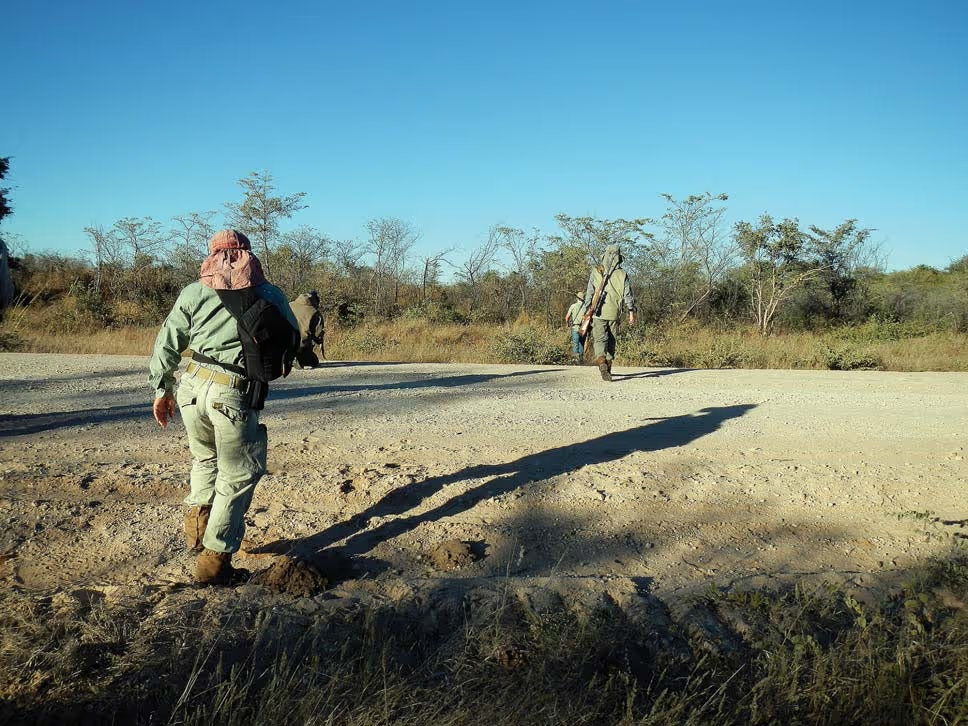
Two point eight kilometers on we were back at the main gravel road — he had looped. He turned southeast into thicker bush, trying to get away. We sped up; we made more noise; he heard us again. We slowed to nothing. Only Robert, Felix, Tum and I going in. The rest following from a distance.
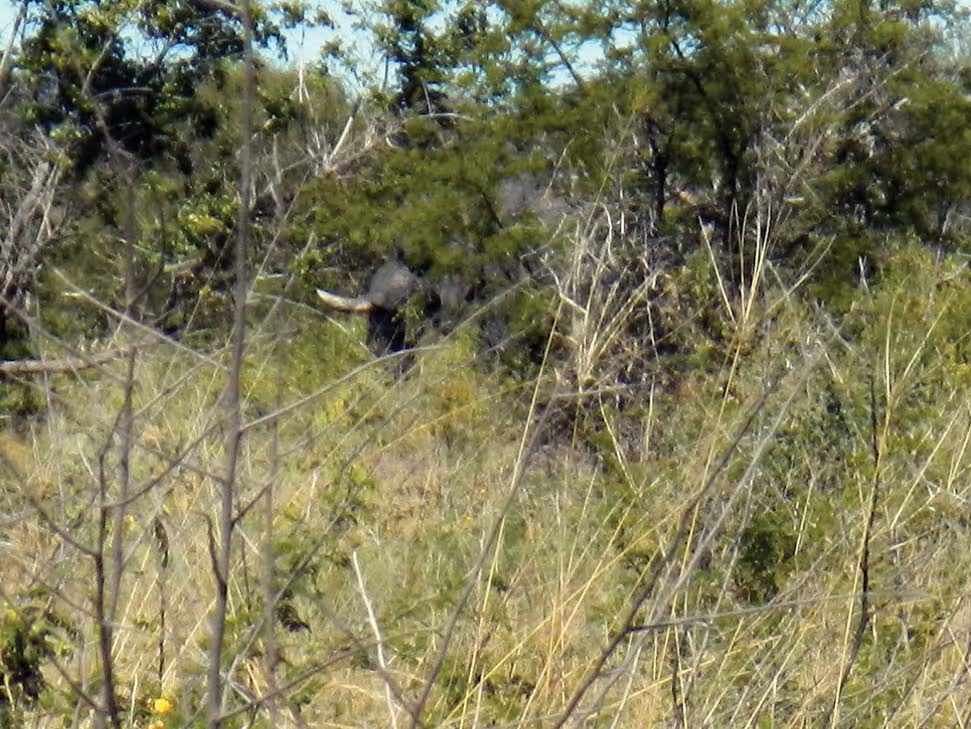
Three point eight kilometers in, Robert pointed to two o’clock. I could not find him — even with the Swarovskis. He flipped an ear and I had him, a hundred meters through thick bush, staring dead at us. Only his head and the top of his body visible. He held the stare for five minutes before he moved. Still no clean look at the ivory. A smart, crafty bull.
A second bull was with him, smaller body, smaller ivory. Both moved. We circled for wind. Thirty minutes of waiting. Both bulls sleeping. Then we got in closer.
Left tusk chipped at the tip but thicker than the right. Right three feet. Sixty to sixty-five pounds on my read; the massive head made it hard to be sure. Felix thought they could make seventy-five. And then Felix saw the bump at the base of the trunk — half the size of a soccer ball, with green pus running out of a hole below it. An AK wound, he whispered. A month or two old. Poachers after ivory. The bull was in pain and very aggressive. There was a real chance he would charge.
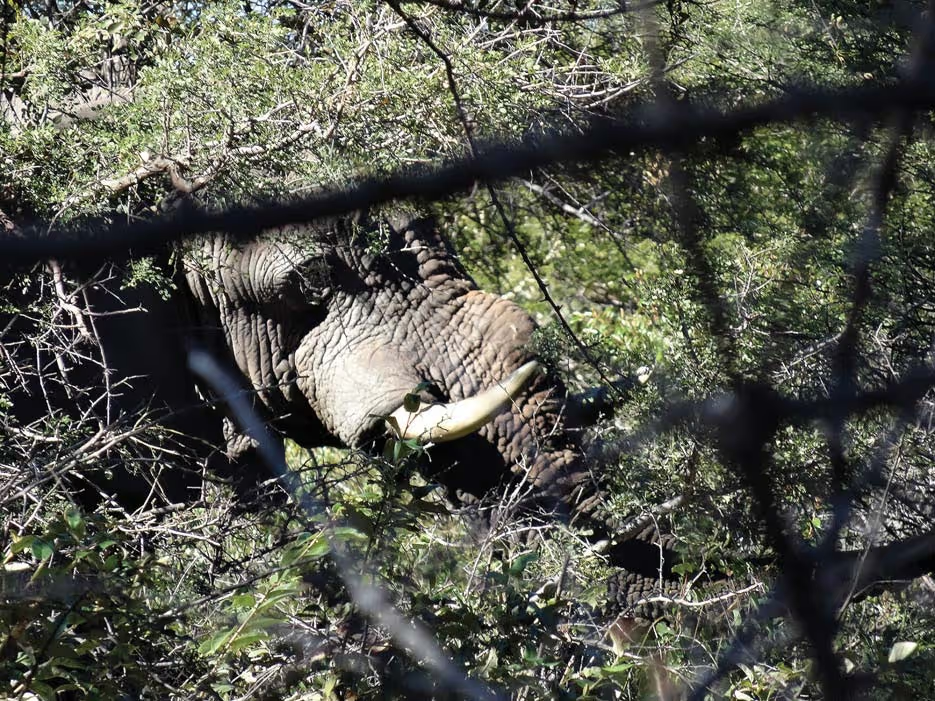
The bulls moved. The old bull walked straight at our position. We backed off hard. Where we had been standing, he caught our scent and stopped. Twenty meters. Felix and I were in position. He held the stare and could not quite separate us from the brush. Then he turned and walked. I had my first clear look at the tusks then and was sure — they were under seventy pounds. There was the green pus flowing. Felix’s guess afterward: the AK round had punched in some time ago and the wound was septic.
We backed out two hundred meters. A long discussion on ivory. The bull was moving southeast at his normal pace, looking back often. We caught him again at six and a half kilometers from the start; he was staring in our direction again even at two hundred meters.
Felix, in the discussion, said that if I were a different client he would have told me to shoot without hesitation. I disagreed on the weight — I still had them under seventy. Felix invoked Kai-Uwe Denker, who had passed up bulls that looked like seventies and turned out to be eighties. I could tell he wanted me to take a bull. He had three permits to fill for me. He mentioned more than once that the decision was mine.
I told him I would take this bull. Felix asked if I was sure. I was, for a very practical reason: the bull was in pain and dangerous. We would hunt this concession seventy more days that year. The chance of a bushman tracking firewood and bumping into him was real. The chance of any of our crew crossing him was real. If he killed someone, it would be preventable and it would be us who did not prevent it.
Also — and I said so — I wanted to win Felix’s standing N$10 bet on ivory weight.
We followed them to a mud hole where they played, then into an opening where they fed. Felix led us in a circle downwind. We moved only when the bulls moved, or chewed. The last bush between us and the bull was at fifty-five point four meters, measured afterward.
Felix would not bring me closer because of the bull’s condition. A side brain shot with a five-hundred-grain MDM Cutting Edge solid. The bullet missed the brain by an inch and a half low. The impact knocked him down. My second shot, into his head, finished him.
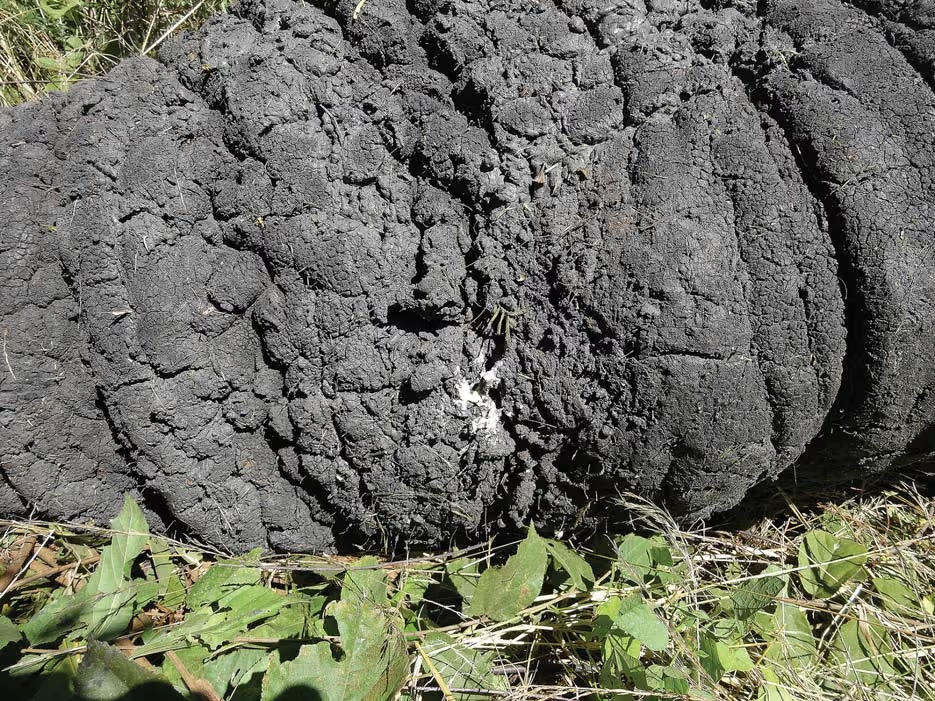
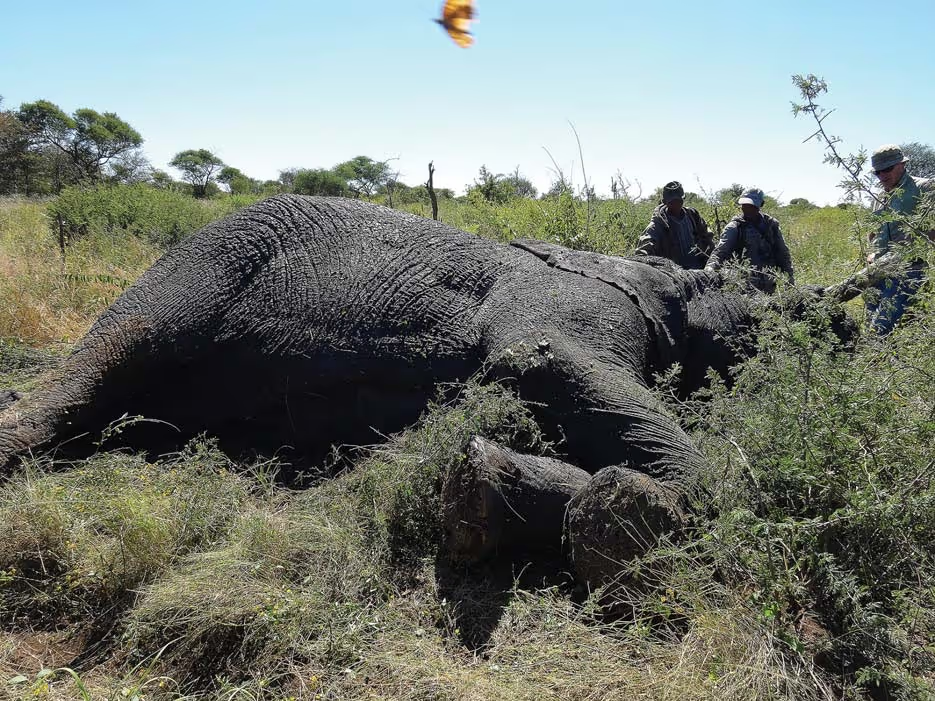
We were back at the cruiser by one, and on to the conservancy office in Tsumkwe to report the elephant and have men sent for the meat. That part of the work is what this is partly for. CBNRM does not run on ivory alone; it runs on protein delivered to the villages around the concession, and on the levies the conservancy collects on each permit. The bushmen would eat for weeks. My ivory, under seventy pounds, would sit in the trophy room at home and remind me that this was the bull who would have killed someone if we had not taken him.