Six bulls in a clearing
Thursday, 15 May 2014
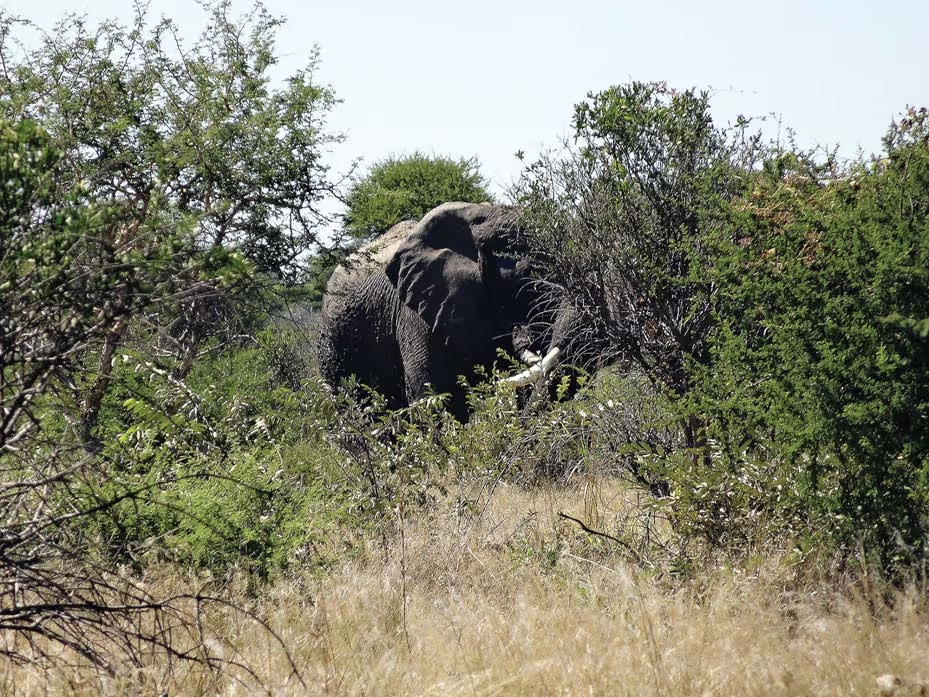
The first spoor of the morning is decent, not massive but very rough. We track him three and a half kilometers to an open edge of the thicket where an old sixty-pound bull is grazing — one ear hanging, a big round head. Later, south to the fence, we cross paths with six bulls in open ground at once. One of them is a Colgate-white-tusked seventy. The right tusk is gone.
Ten past six on the Hereroland road, a first spoor — decent, very rough. Bull walking south on the road, stepping off left and right to feed. Three and a half kilometers on the road before he turned east. Felix drove another two kilometers on in case he doubled back; he did not. We hid the cruiser in thick and went.
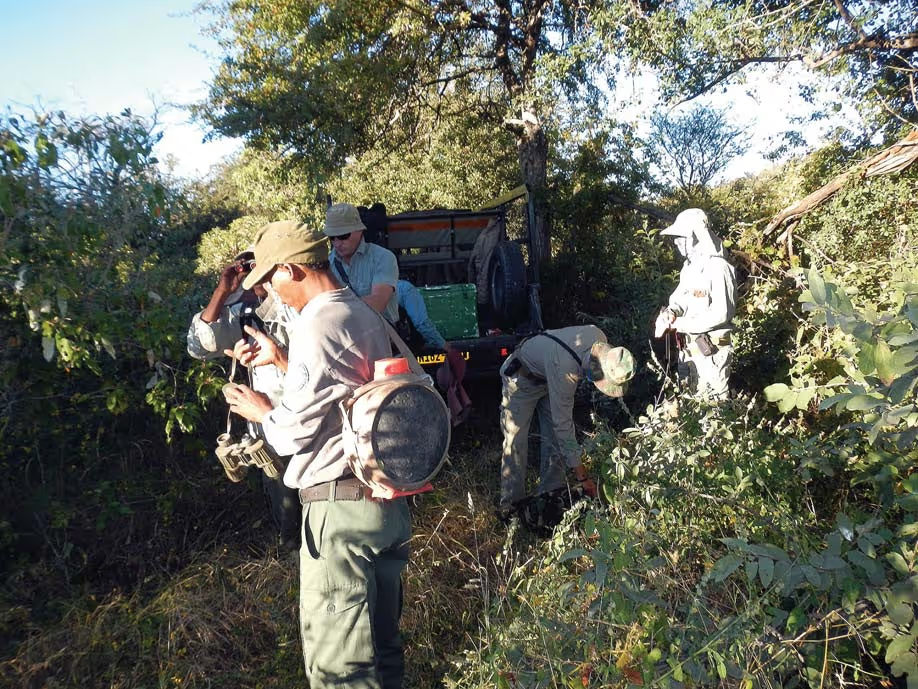
Eight hundred and fifty meters of thick bush to his sleeping spot and cold dung. Two more cold piles along the line. Not as thick as yesterday’s country, but near enough. Three point eight kilometers in, warm dung. Two hundred meters further on he was at the open edge of a thicket, grazing: a big body, one ear hanging, a great round head. Both tusks in the sixty-pound class.
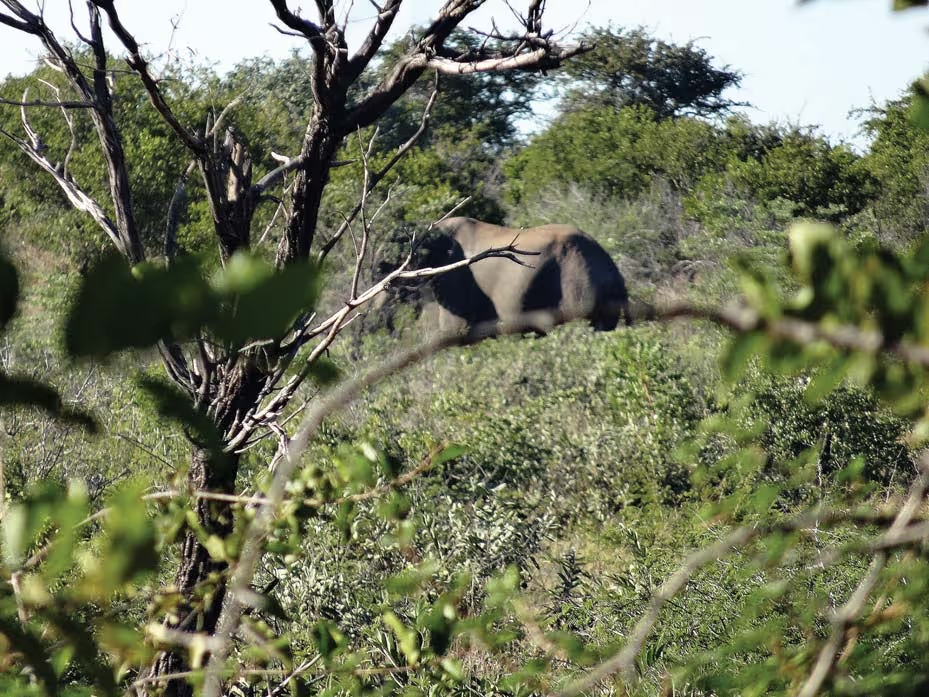
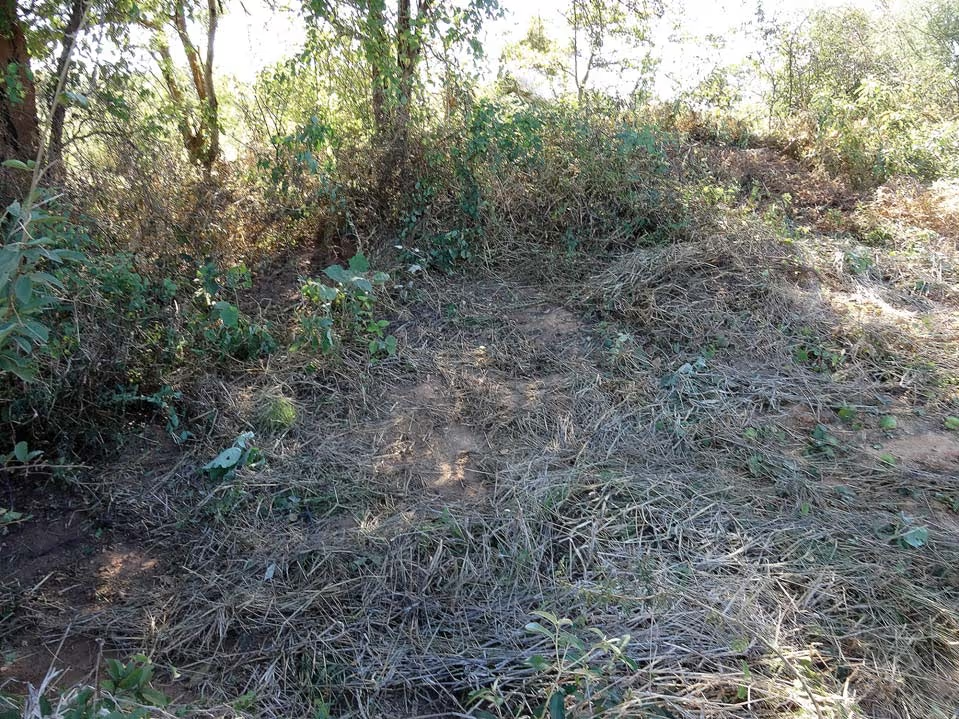
Back to the cruiser, south on a dirt road toward the border. Twenty to nine, a bigger track on hard grassy ground. We hid the cruiser and went on foot. The bull was wandering left and right, feeding in thick bush, making small circles. At two kilometers in, his sleeping places — Robert showed us his head and tusk prints on the ground. Bull had slept on his left side; the left tusk was big and long. A second sleeping spot near the first — slept on his right, right tusk also big and long.
Cold dung. Another bull joined him. They looped back near the cruiser. Two more bulls joined for five hundred meters and split off. We worked them from thicket to thicket, losing and finding them — there were many fresh tracks.
Twenty to eleven, four kilometers in, Felix spotted a smaller bull feeding in the open. Our bull stood three hundred meters further on — big body, both tusks sixty-pound. And then, four hundred meters beyond him, two more bulls: one a very big body with a Colgate-white left tusk in the seventy-pound range. His right was broken off. Big head. Big body.
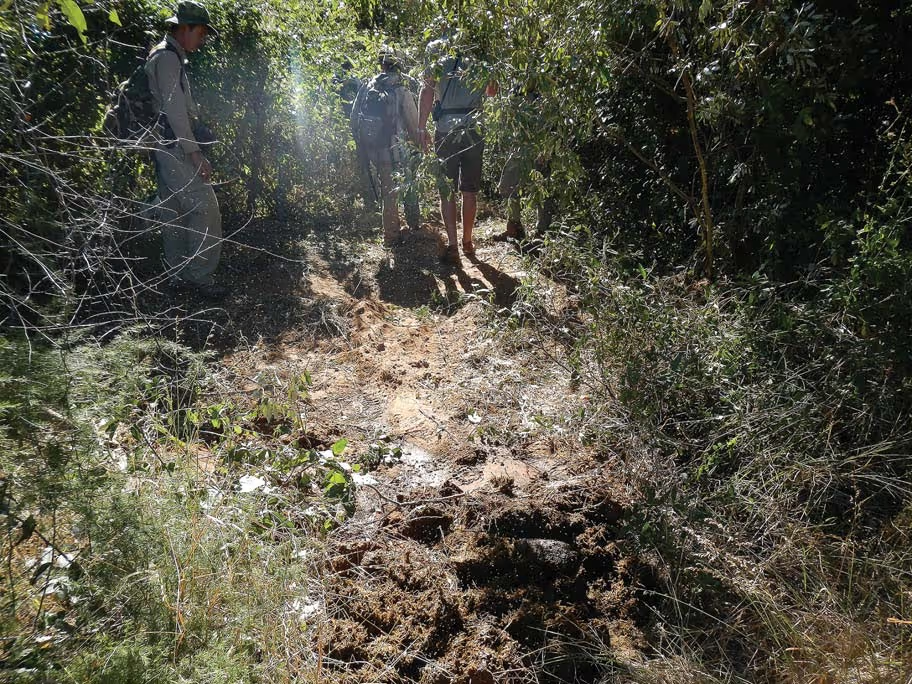
Six bulls, in the end. We were in the middle of them. We kept watching in case a seventh showed. It did not.
After lunch we went to the sun-pump pan in the south — dry. Hyenas had bitten off the pipe. Felix fixed it while we cleaned the pan and got water moving. We drove the border fence and the mountains and found two massive two- or three-day-old spoors, but nothing worth a late start.